Solar Maintenance - Must Know Facts
Solar maintenance is an important step in looking after your power producing asset. Like the main grid that supplies power to your home, you also need to make sure your system is safe, reliable, and producing power for your needs. Your system should be looked at every couple of years to make sure its producing and there arn't any underlying issues from the installation, it's important to catch these before they become safety concerns or you miss important production that could have been utilised.
Facts about your solar system you need to know
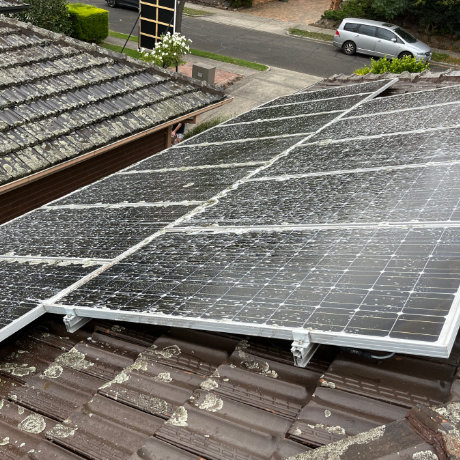
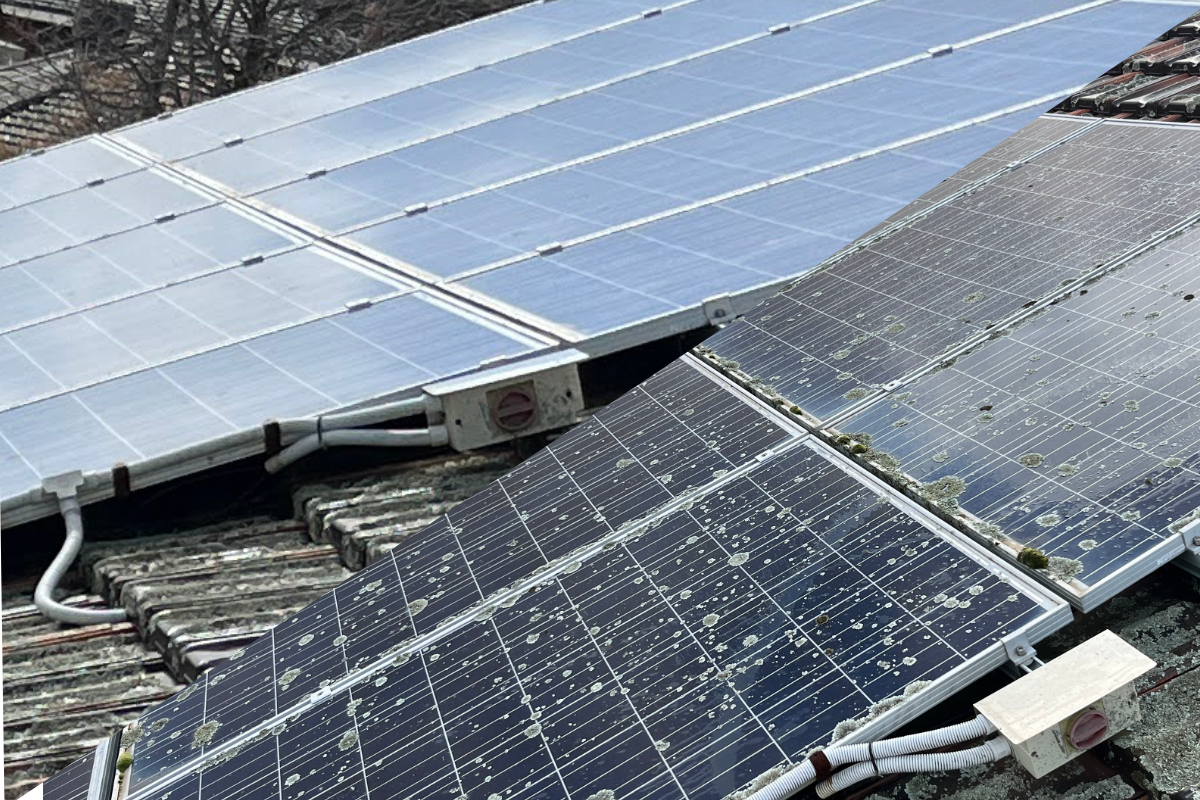
Solar panel washing - Cleaning the moss and and dirt from your panels can increase your solar production up to double in some circumstances due to the severe moss build-up.
DC isolators - these are important safety switches on the roof of older systems, they isolate the solar system from the internal wiring in an emergency event. However as they are on your roof for years the plastic housing can breakdown and cause water ingress into the electrical components within, this in some situations cause a roof fire.
Inverters - If your inverter is offline for more than 3-6 months most manufacturers wont honour your warranty claims as the system hasn't received important updates that could have avoided the degredation of the system. Electronic equipment gets constant updates, so it's important to keep them up to date.
Roof top wiring - Wiring under your solar system should be attached to the rails or panels and not touching the scorching hot roof below. This heat can melt connections and in severe situations cause the wiring to burn.
If your system goes too long without servicing and maintenance, it may not be repairable into the future, as panels can develop issues such as glass micro cracks and electrical cell damage from diagonal tracking.
Make sure you keep the receipt, if you loose it simply go to our client billing page to download another, without proof of maintenance, your insurance company may refuse to pay for any damages.
Your Solar Panels need the clamps holding them to the rail, re-tightened in some circumstances to prevent them sliding down the roof, as they can become loose from all the weather they are subjected to over the many years in service.