Bi-directional charging is an emerging technology, as such it is still in its infancy of where and what it can be used for. There are 3 fronts that need to be pleased in order to make this a success.
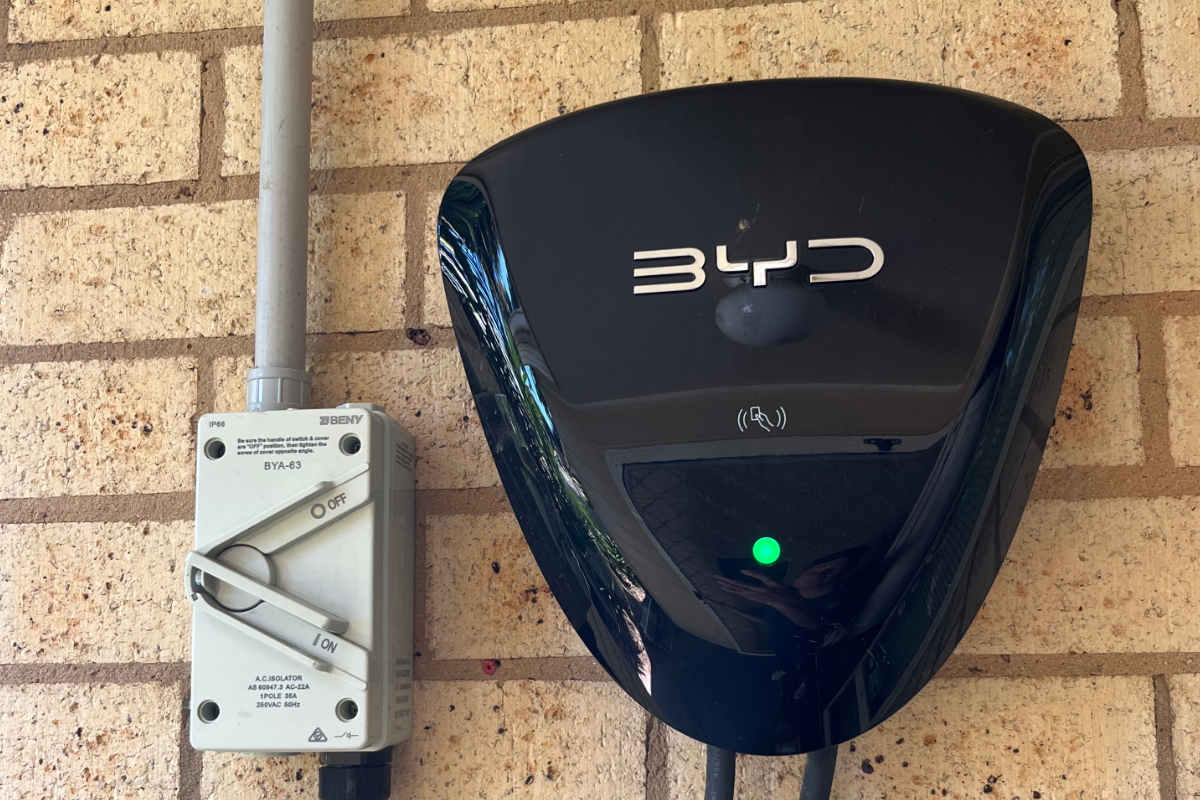
First - Car chargers that support bi-directional capability while meeting inverter standards similar to those found in solar and battery technologies. Current bi-directional chargers from REV Charge are compatible with networks and some cars.
Second - The car itself has to meet standards that have only just been agreed upon in order to support power coming from the vehicle and entering your electrical infrastructure.
Third - Electrical networks have to agree to have this technology connected to their infrastructure.
The Nissan Leaf has had this capability ever since the devastating tsunami in Japan, but we lacked the bi-directional chargers, then when the chargers could be utilised they weren't allowed to be connected to the electrical network where you live, so these three hurdles have slowly started to align and agree on how things can work together. So in short at present we have some electrical networks saying yes to bi-directional charging an we have the charger itself but now limited to which vehicles can support this. To my knowledge it is the Mitsubishi, Nissan Leaf, Ford Lightening.
But here is the part no one will talk about, lithium has a shelf life of 8000 cycles give or take for optimial performance, and then it erodes slowly after that, so daily extra cycles to support your home and still hoping to reach your destination might not be what you hoped for.
For my customers I install a dedicated solar and battery system to support the home and keep the car charging completely separated from the home battery solution to prevent unnecessary cycling of each battery, helping to increase their lifespan.
Where is the technology in terms of time frames today? This technology has been around a long time and I have been tracking its progress but in all honesty it is still a good 5 years from become normalised then another 5 years before it becomes popularised. The time it takes for an emerging technology to get through all three steps, so my suggesting to customers is you could have paid off a solar and battery solution in that time while you wait and then make the change later, when the cost of the chargers are more affordable.
My old advice 6 years ago to customers was buy a car or a home battery as they were a similar price, but now with the declining battery rebate over the next 3 years and the affordability of new electric cars that advice has changed to what renewables are good at, embrace supported technology and get your rebate money today and save, adopt the new technology later when it is more mainstream.